Product Description
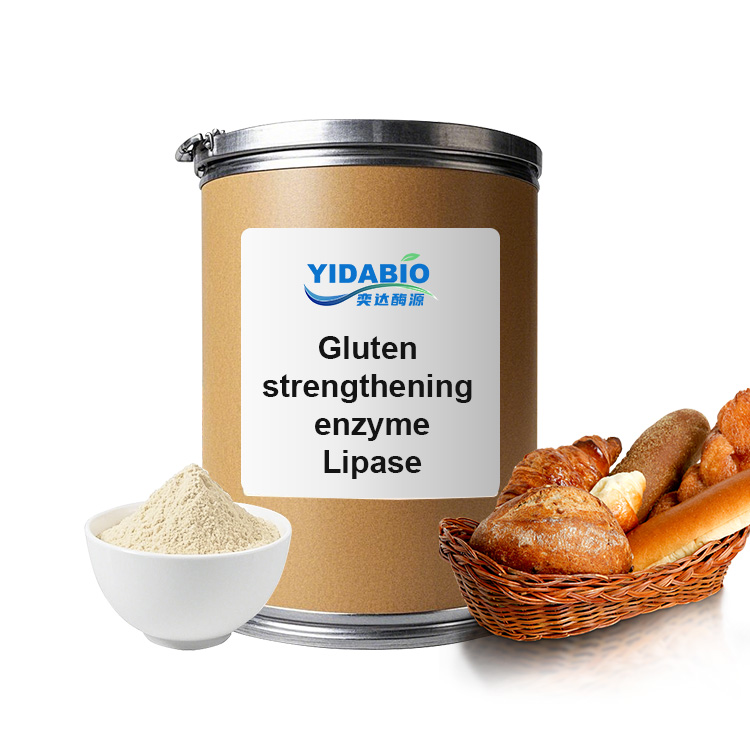
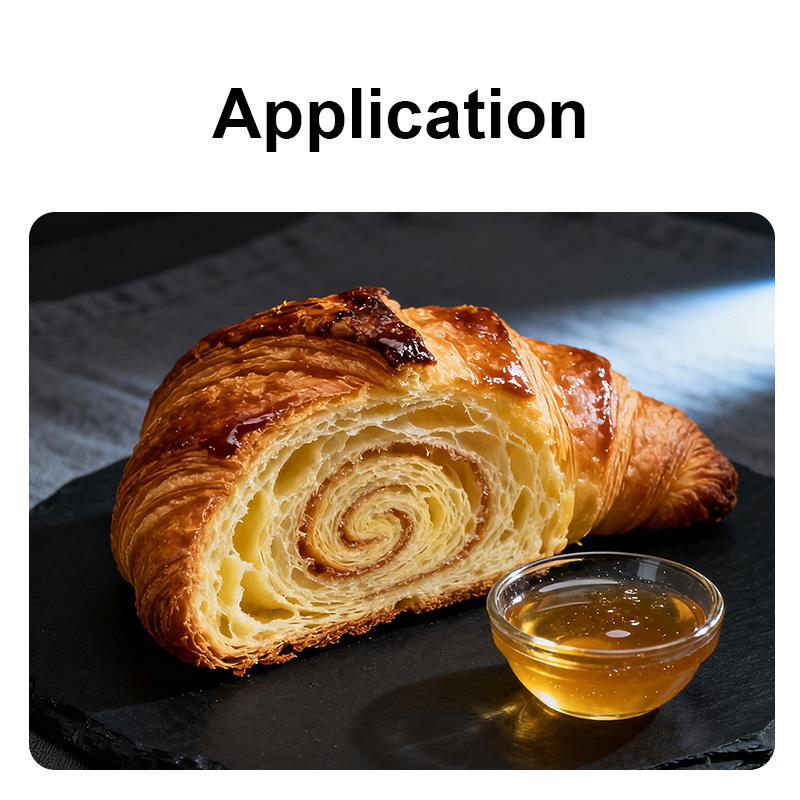
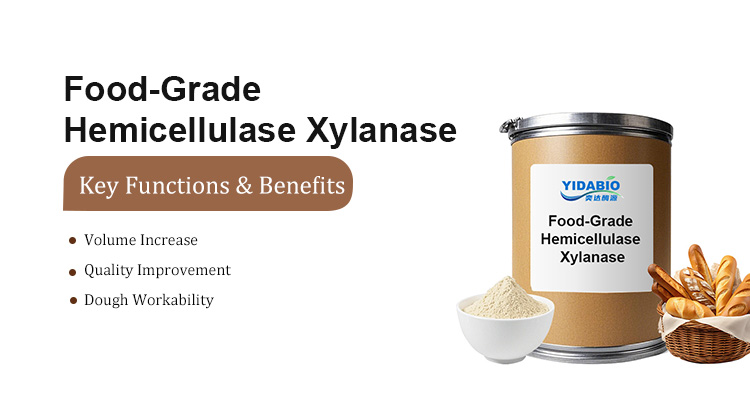
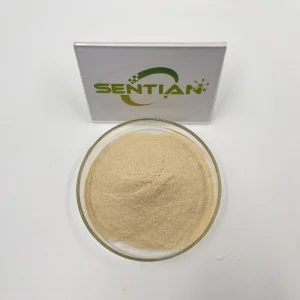
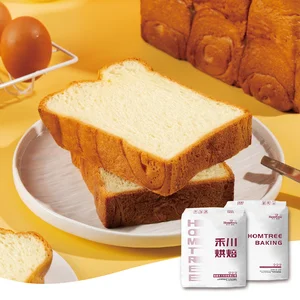
Xylanase, derived from Aspergillus niger via submerged fermentation, is a hemicellulose-degrading enzyme specifically designed for bakery applications. It hydrolyzes hemicellulose polymers in flour into oligomers and building blocks, enhancing dough handling, yeast fermentation, and crumb texture while improving product volume and sensory properties.
Frequently Asked Questions
Q1: What is the origin and source of this Xylanase?
A: This Xylanase is derived from Aspergillus niger through a process of submerged fermentation. It is specifically designed as a hemicellulose-degrading enzyme for bakery applications.
Q2: How does Xylanase improve bakery products?
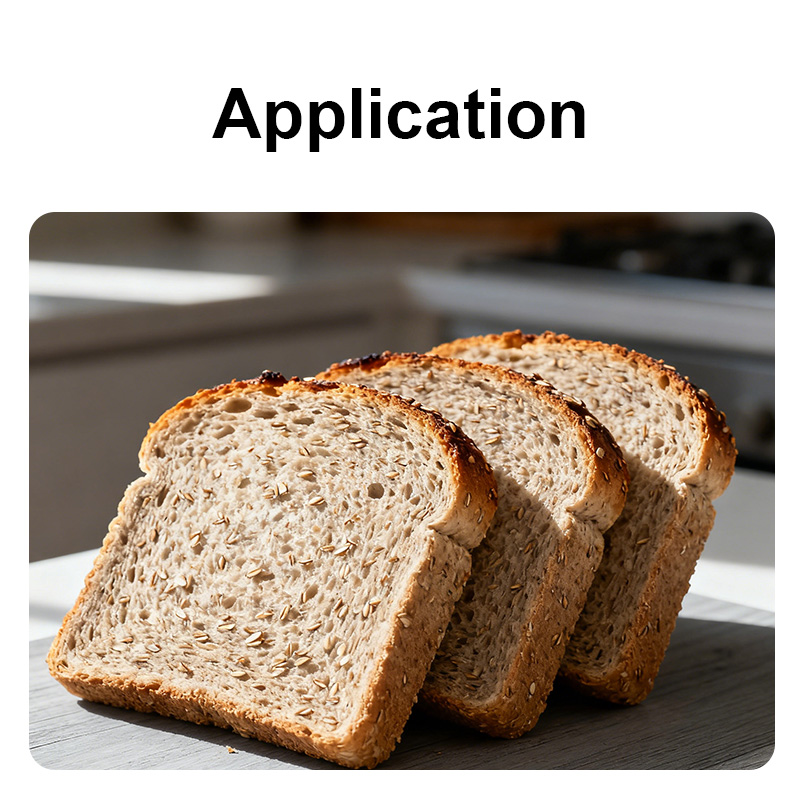
A: It hydrolyzes hemicellulose polymers in flour into oligomers and building blocks. This reaction enhances dough handling, improves yeast fermentation, optimizes crumb texture, and increases product volume and sensory properties.
Q3: What are the optimum temperature and pH ranges for this enzyme?
A: The enzyme operates within a pH range of 4.0–6.0 (with an optimum pH of 5.0–5.5) and a temperature range of 40–60°C (with an optimum temperature of 50°C).
Q4: Does the color variation of the powder affect the enzyme's activity?
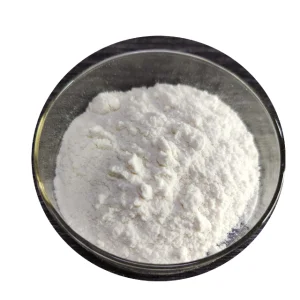
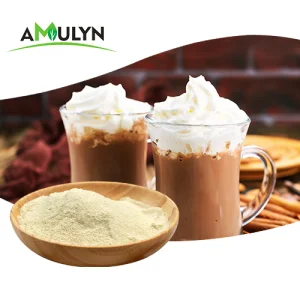
A: No. The color can vary from batch to batch (ranging from light yellow to yellowish white powder), but the color intensity is not an indication of the actual enzyme activity.
Q5: What are the packaging and shelf life specifications?
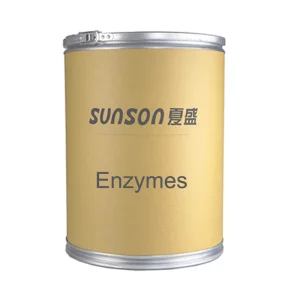
A: The product is packaged in 25kg/drums. It has a shelf life of 18 months when stored sealed in a cool, dry place away from direct sunlight.
 Soy Extracts