Explore our foundational selection of high-purity industrial and nutritional ingredients sourced and refined to support globally compliant clean-label manufacturing.
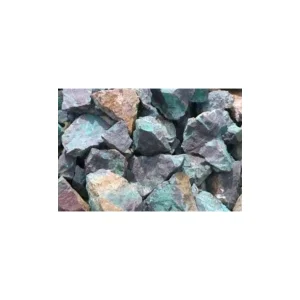
An in-depth analysis of technical innovations, supply chain configurations, and functional challenges in transitioning from synthetic to clean-label pigment applications.
The shift from synthetic colorants (such as Red 40, Yellow 5, and Blue 1) to natural color solutions is no longer just a marketing choice; it is a regulatory and commercial necessity. Globally, food and health brand procurement teams are facing intense pressures to eliminate synthetic inputs. High-performance natural colors derived from botanicals, algae, and minerals are meeting this demand, enabling brands to label products with ingredients consumers recognize.
This transition has spurred natural colors manufacturers to develop sophisticated, plant-derived color solutions. These botanical extracts must withstand rigorous industrial processing factors, such as high-temperature short-time (HTST) pasteurization, shear forces, and UV exposure. Suppliers are under pressure to ensure that their raw plant sources are fully traceable, sustainable, and free from cross-contamination.
Navigating the landscape of natural pigments requires a solid understanding of pigment chemistry. Formulators must choose the right raw materials based on their pH stability, heat tolerance, and light fastness:
Commonly sourced from black carrot, elderberry, and red cabbage. These pigments are highly water-soluble and yield vibrant red hues in low pH conditions (pH 3.0 to 4.5). They require stabilizers in neutral dairy or confectionery matrices to prevent color shifting.
Derived from marigold, paprika, and annatto. Lutein and beta-carotene are highly lipophilic, making them ideal for fats, oils, and bakery products. They require specialized emulsions for use in transparent beverages.
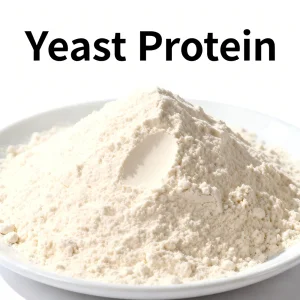
Algae-derived phycocyanin (from Spirulina) is the primary source of clean-label natural blue. Because it is protein-based, it is sensitive to heat, requiring gentle processing and protective carrier systems like vegan yeast protein isolates.
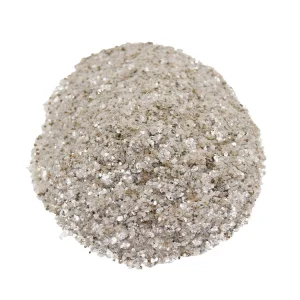
Natural mica powders and titanium dioxide alternatives provide structure, opacifying power, and pearlescent effects in confectionery coatings, cosmetic formulations, and premium pharmaceutical tablets.
A trusted global supplier of dietary supplement ingredients, botanical extracts, and advanced clean-label solutions.
Hangzhou Soy Extracts Co., Ltd. is a leading China dietary supplement ingredients manufacturer specializing in the research, development, production, and supply of high-quality nutraceutical raw materials for health and wellness products. With a strong commitment to innovation, quality, and sustainability, the company provides comprehensive ingredient solutions to dietary supplement brands, manufacturers, and distributors worldwide.
Leveraging advanced production technologies and modern manufacturing facilities, Hangzhou Soy Extracts offers an extensive portfolio of dietary supplement ingredients, including botanical extracts, plant proteins, amino acids, vitamins, minerals, functional ingredients, and other nutraceutical raw materials. These ingredients are widely used in dietary supplements, functional foods, sports nutrition products, health beverages, immune support formulations, and wellness applications.
Innovation is at the core of the company's business philosophy. Supported by a highly experienced R&D team, Hangzhou Soy Extracts continuously explores new ingredient technologies and formulation solutions to meet the evolving needs of the global nutraceutical market. The company also provides customized ingredient development and OEM/ODM support, helping customers accelerate product innovation and strengthen market competitiveness.
Quality assurance is integrated into every stage of production. From raw material sourcing and manufacturing to final inspection and packaging, strict quality control procedures are implemented to ensure product consistency, purity, safety, and compliance with international standards. The company is dedicated to delivering reliable and traceable ingredient solutions that meet the stringent requirements of global customers.
With customer satisfaction as its priority, competitive manufacturing capabilities, stable supply chains, and professional technical support, Hangzhou Soy Extracts Co., Ltd. has established long-term partnerships with clients across international markets. The company remains committed to providing premium nutraceutical ingredients that support healthier lifestyles and contribute to the sustainable development of the global health and wellness industry.
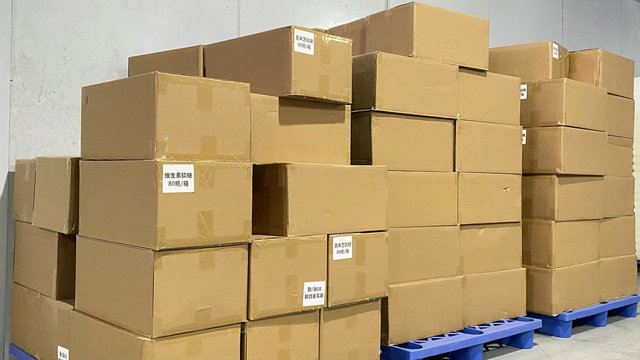
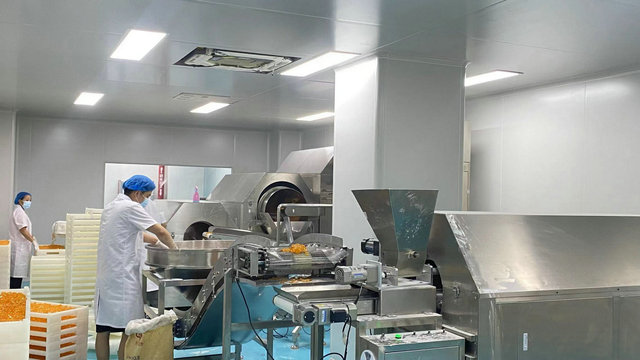
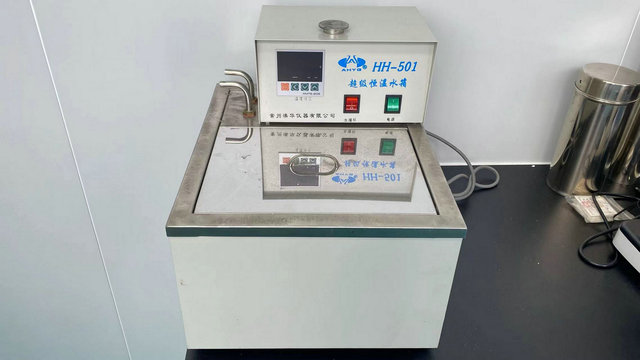
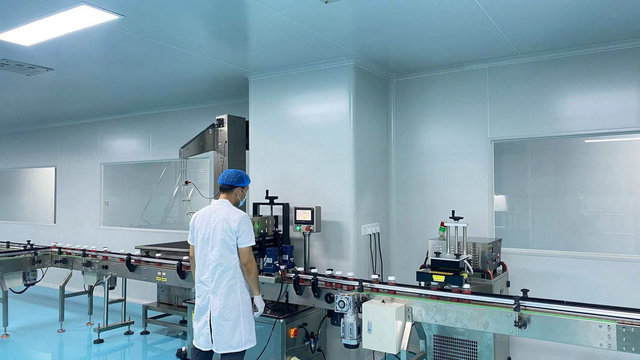
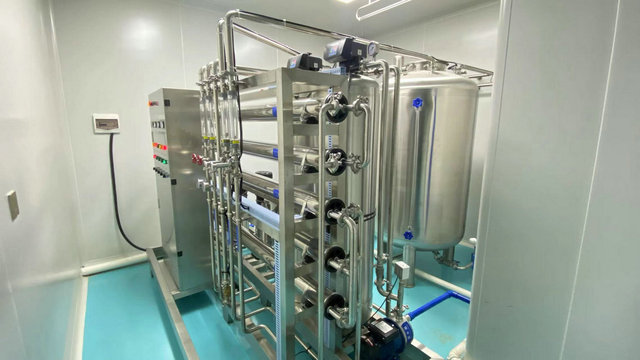
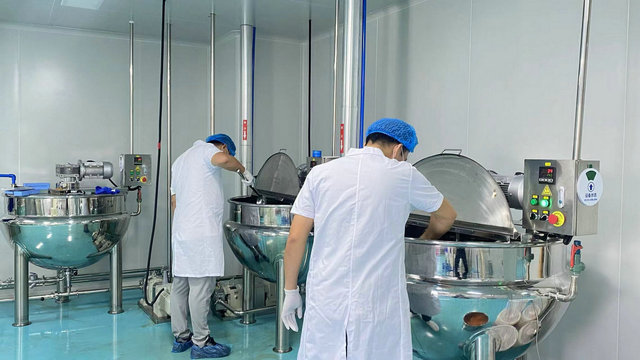
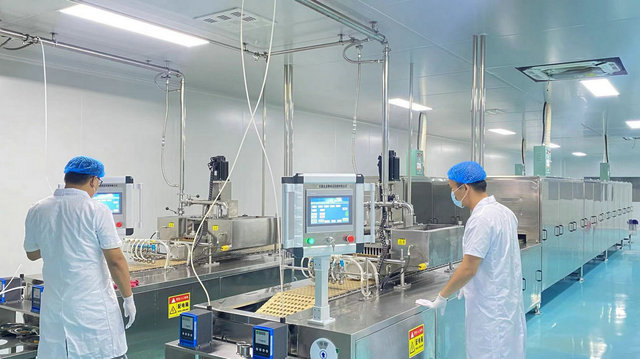
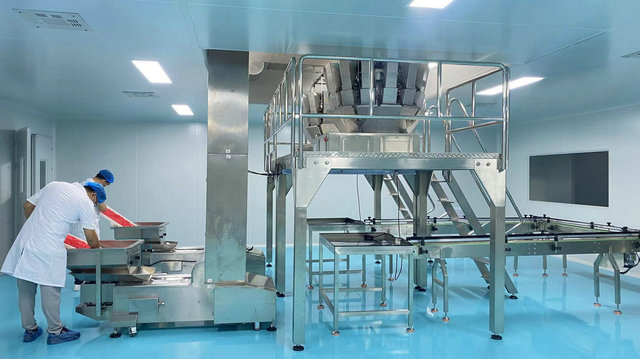
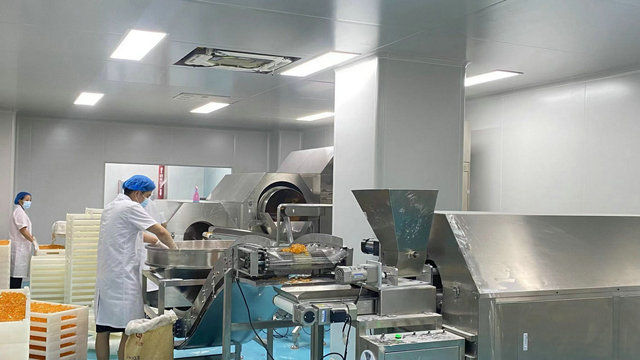
Below is a look inside the modern, state-of-the-art production environments and quality control laboratories at Hangzhou Soy Extracts. These facilities ensure that all botanical and chemical operations meet GMP standards, guaranteeing high purity, traceability, and batch-to-batch consistency for global supply chains.
A benchmark evaluation of the industry's leading manufacturers, comparing their raw material bases, technological innovations, and core application areas.
| Manufacturer Name | Primary Pigment Focus | Core Extraction Technology | Key Strengths & Sourcing Capabilities |
|---|---|---|---|
| Chr. Hansen (Oterra) | Anthocyanins, Carotenoids | Liquid Extraction & Formulation | Global distribution, extensive stability testing portfolios. |
| Sensient Cosmetic Technologies | Mica Powder, Botanical Blends | Mineral milling & Surface treatments | Excellent dispersion properties for cosmetic applications. |
| GNT Group (Exberry) | Coloring Foods (Fruit & Veg juices) | Physical pressing without solvents | Strictly clean label, highly consumer-friendly branding. |
| Hangzhou Soy Extracts Co., Ltd. | Botanical Extracts, Proteins, Amino Acids | Supercritical fluid extraction, Spray drying | Highly customized OEM/ODM options, excellent carrier integration. |
| Naturex (Givaudan) | Plant-based Polyphenols, Anthocyanins | Subcritical water extraction | Traceable global supply chain, robust botanical research. |
| Archer Daniels Midland (ADM) | Fruit juices, Beet concentrates | Advanced filtration & Membrane systems | Deep agricultural supply chain integration. |
| Döhler Group | Beverage clouding agents, Carotenoids | Multi-phase emulsion formulation | Optimized for stability in acidic beverage lines. |
| Kalsec Inc. | Spice extracts (Paprika, Turmeric) | Solvent extraction & Refining | Strong background in savory food stabilization. |
| DDW (The Color House) | Caramels, Natural vegetable blends | Thermal caramelization & Vacuum drying | Now backed by Givaudan, offering highly scalable production. |
| Fiorio Colori | Synthetic alternatives, Carmine blends | Microencapsulation systems | Excellent color matching services for European markets. |
Buying managers often run into stability issues when switching to natural colorants. Unlike synthetic colors, natural pigments react to environmental factors:
A look at the next wave of industrial bioprocessing: using biotechnology, fermentation, and sustainable sources to produce natural pigments.
Using engineered yeasts and bacteria to produce identical natural pigments (like astaxanthin or beta-carotene) in controlled bioreactors. This method uses less land and water than traditional farming.
Expanding algae cultivation to secure a steady supply of natural green and blue pigments, protecting these delicate sources from weather-related supply chain disruptions.
Using proteins (like pea or yeast proteins) instead of starch or synthetic carriers. This improves the stability of natural colors while keeping the label clean.
Using machine learning to simulate how pH, temperature, and UV exposure will affect natural colors over time, helping R&D teams formulate faster.
Working with global manufacturers means navigating different regulatory standards. The FDA and EFSA have different rules for what qualifies as a "coloring food" versus a "color additive." For example, spirulina extract is approved for specific applications in the US, while it is widely used as a coloring food in the EU.
High-quality factories, such as Hangzhou Soy Extracts Co., Ltd., solve this by offering fully documented ingredients. They provide complete files on heavy metals, pesticide residues, and allergen cross-contamination, ensuring that products comply with the regulations of their target markets.
Answers to common questions about stability, regulatory compliance, and formulation adjustments when working with natural colors.
Natural pigments fade because they are sensitive to oxidation, UV light, and heat. Formulators can improve stability by adding natural antioxidants (such as rosemary extract or ascorbic acid) and using protective packaging, or by choosing microencapsulated pigments.
pH determines the color of many natural pigments. Anthocyanins, for example, are vibrant red at a low pH (below 4.0), but shift to an unstable purple or blue at neutral pH values. Formulators must choose pigments that match the pH of their target application.
The EU prioritizes "Coloring Foods" (minimally processed foods used for coloring), while the US FDA classifies all natural colors as "Color Additives Exempt from Certification." This difference affects how ingredients must be labeled and requires careful documentation from manufacturers.
Common carriers include maltodextrin, gum arabic, and plant-based proteins. The choice depends on the final application. For allergen-free and clean-label products, pea protein and yeast protein are becoming popular alternatives to starch.
Explore the rest of our specialty extracts, active ingredients, and functional formulations for global distribution.
 Soy Extracts