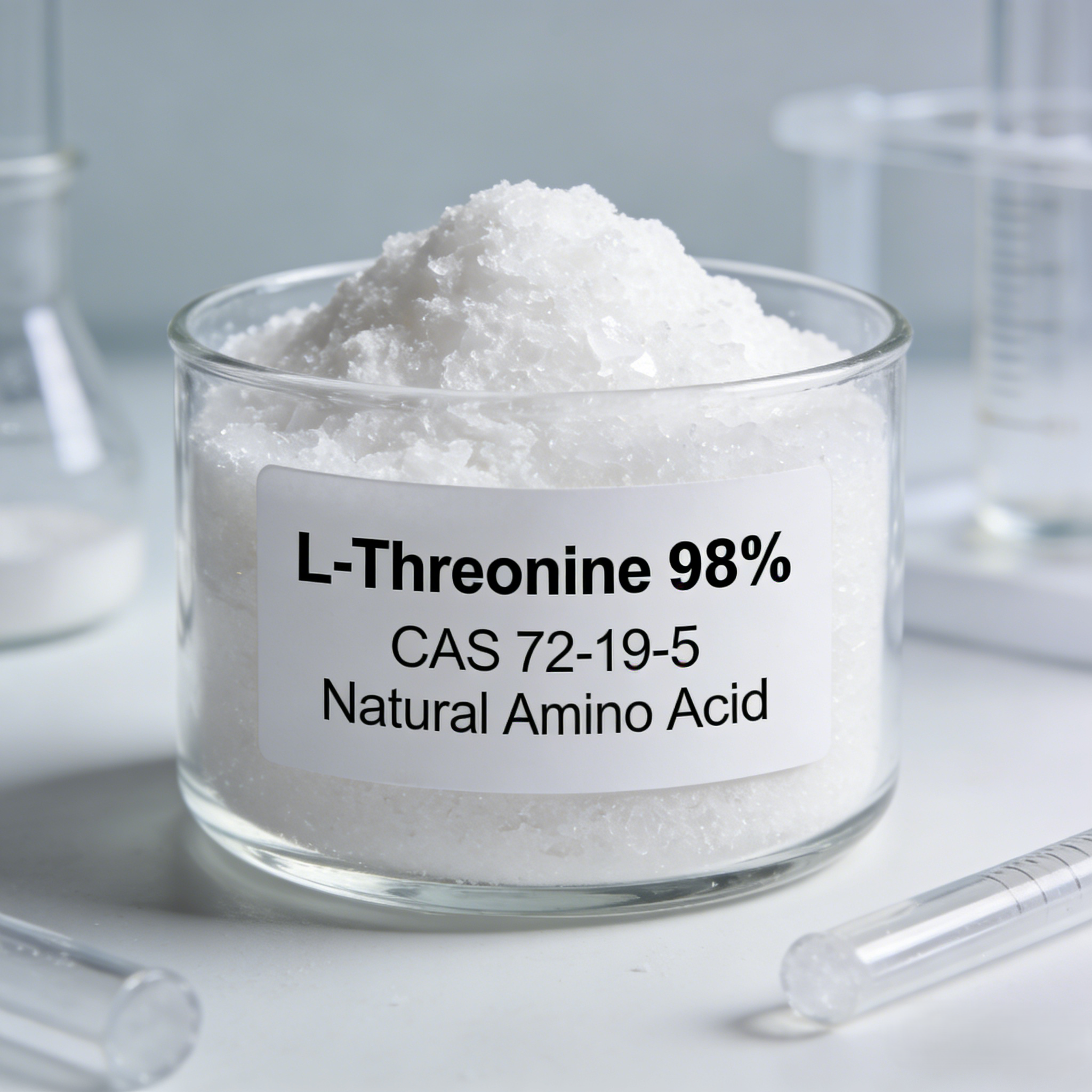
Chinese Factory 98% L-Threonine Natural Amino Acid Food Additives Nutrition CAS 72-19-5

Product Description

Product Overview

Product Overview Image 1
Product Overview Image 2
Product Overview Image 3
Product Overview Image 4
Product Overview Image 5
Product Overview Image 6

Technical Specifications

Item Value
Place of Origin China, Hebei
Type amino acid
CAS No. CAS 72-19-5
Purity >98%
Other Names arginine
MF C4H9NO3
Application Food & Feed nutrition
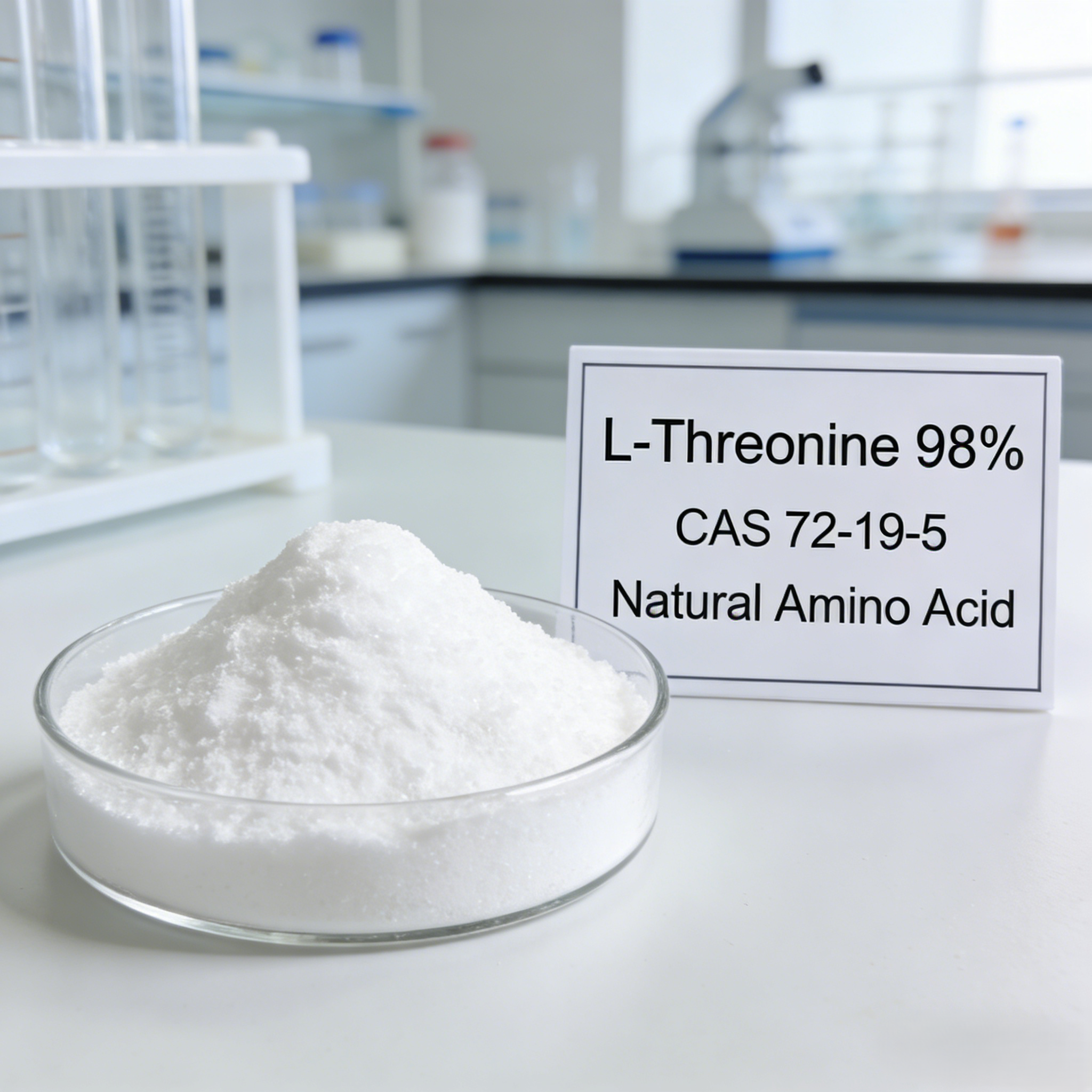
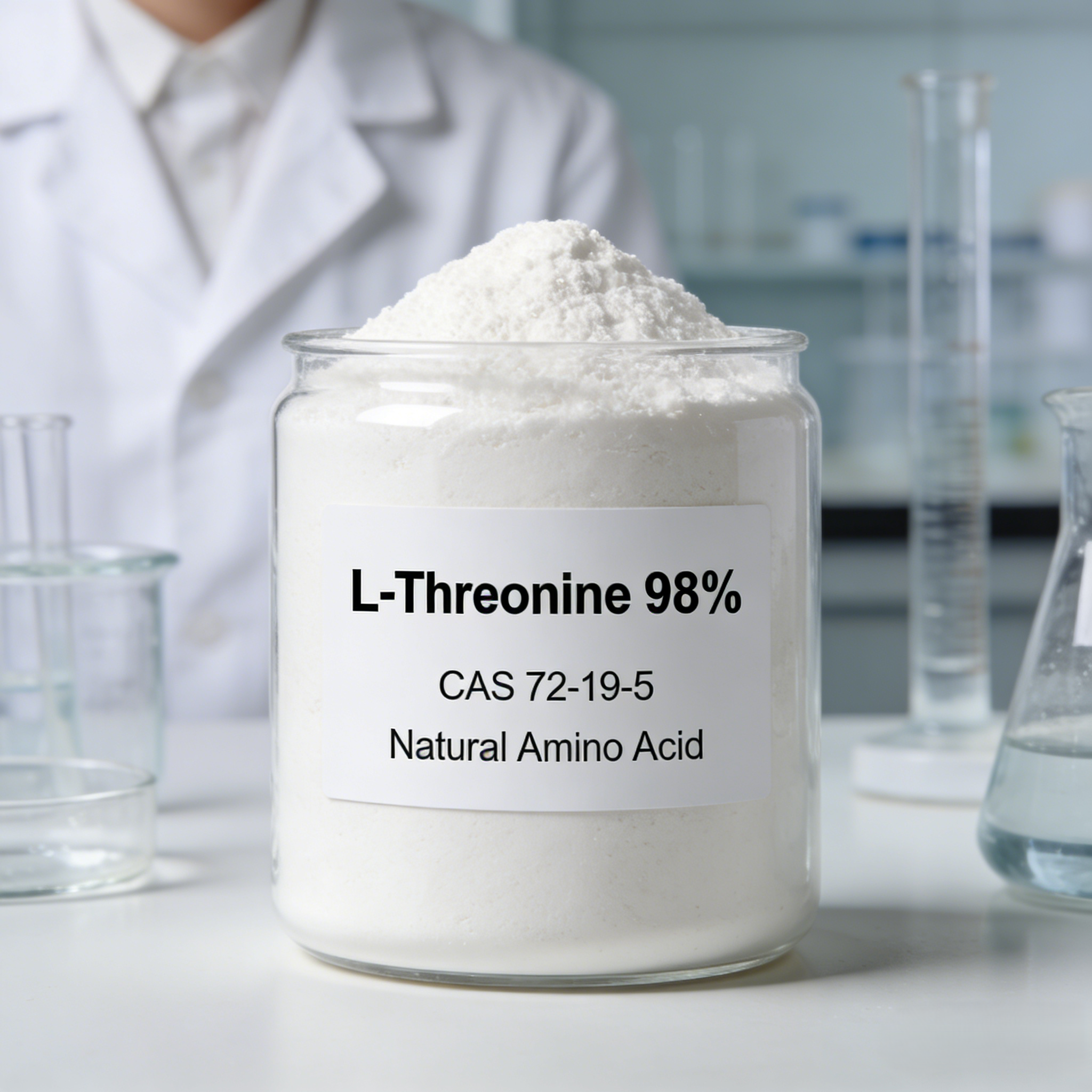
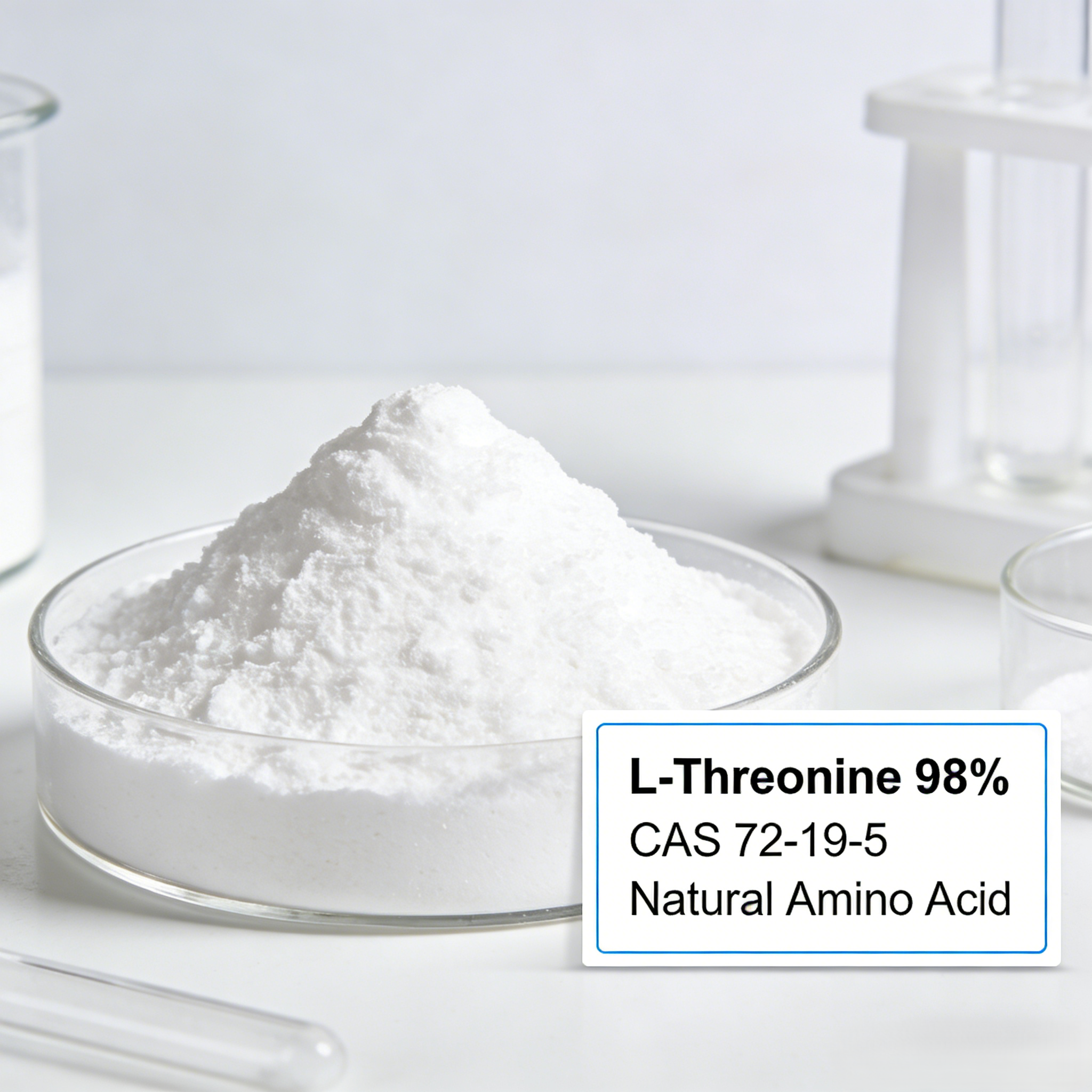
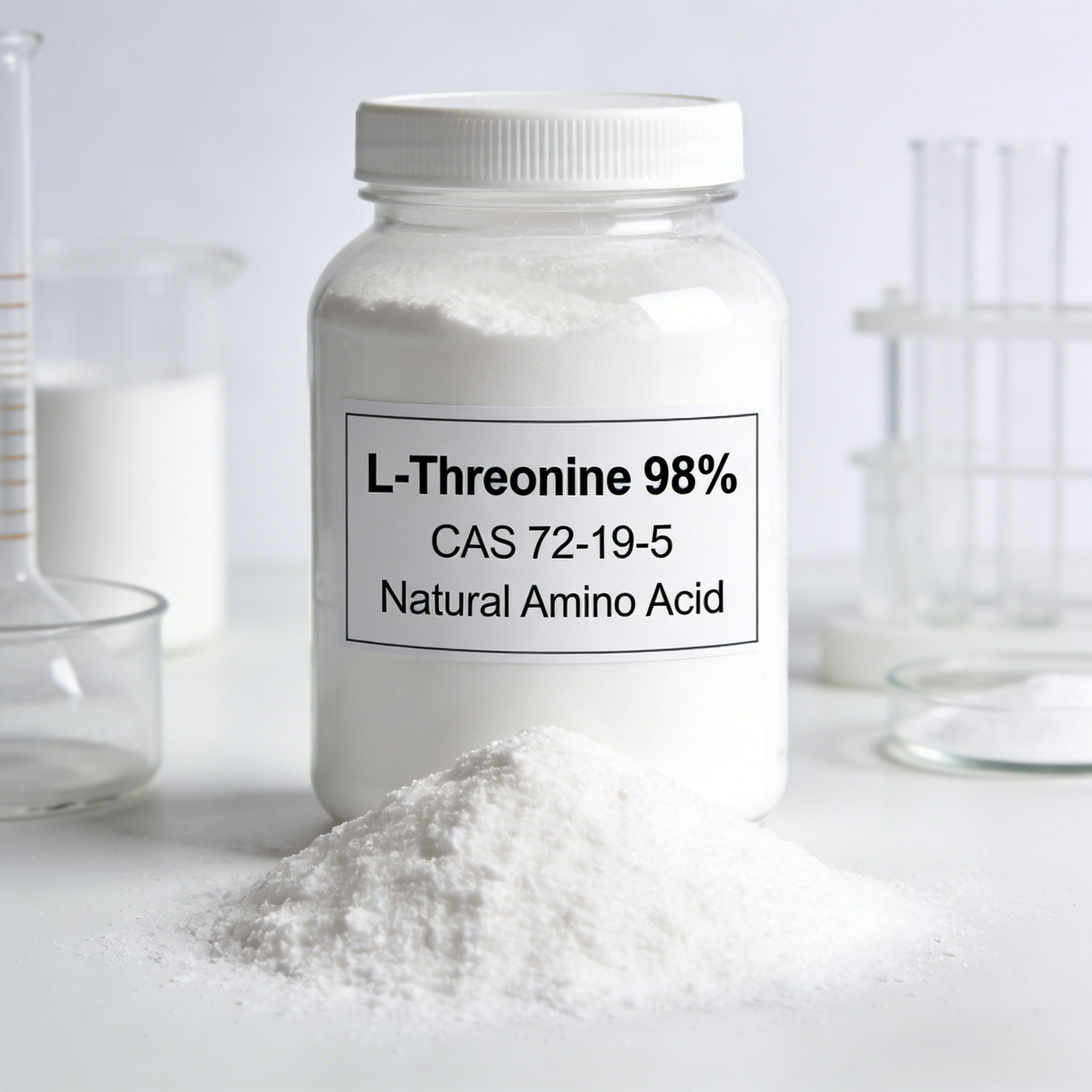
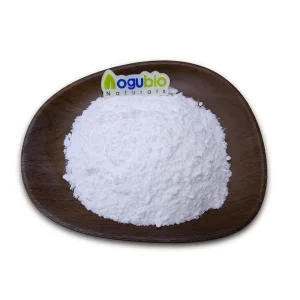
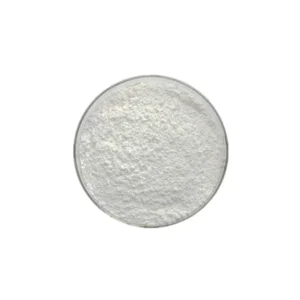
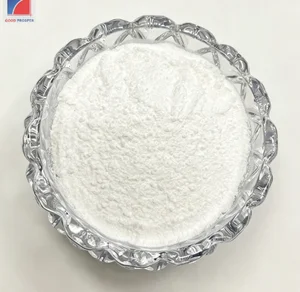
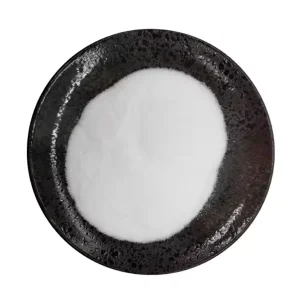
Appearance White crystalline powder
CAS number 72-19-5
Assay 99.4%
Specific rotation -27.73
Loss on drying 0.12
PH 5.68
Residue on ignition 0.08
Heavy metals, ppm <15
Shelf life 48 Months
Package 25kg/bag, or by customer demands

Key Advantages

Advantages in Physiological Effects

  • Higher Physiological Activity: L-Threonine is a naturally occurring isomer of threonine with physiological functions. Its physiological effect is twice that of DL-Threonine and can better meet the physiological needs of the human body and animals.
  • Multiple Physiological Functions: It not only helps the human body maintain protein balance but also plays a role in the formation of collagen and elastin. It can combine with aspartic acid and methionine to combat fatty liver and has a positive impact on protecting the liver. In addition, L-Threonine can promote the production of antibodies to strengthen the immune system, and it can also facilitate the synthesis of phospholipids and the oxidation of fatty acids, bringing multiple benefits to human health.

Advantages in Nutritional Supplementation

  • An Important Nutritional Supplement: As an essential amino acid, L-Threonine is a nutrient that the human body cannot synthesize on its own and must obtain from food. For cereal proteins, besides supplementing with L-Lysine, the next thing needed is to supplement with L-Threonine. It can enhance the nutritional value of foods such as cereals, pastries, and dairy products, helping to meet the comprehensive nutritional needs of the human body.

Advantages in Feed Applications

  • Adjusting Amino Acid Balance: L-Threonine is the second limiting amino acid in pig feed and the third limiting amino acid in poultry feed. Adding L-Threonine to compound feed can adjust the amino acid balance of the feed, making the amino acid ratio in the feed closer to the nutritional requirements of animals, thus promoting the growth of livestock and poultry.
  • Improving Meat Quality: Adding L-Threonine helps improve meat quality, making the meat of livestock and poultry more tender and juicy and enhancing the quality and taste of meat products.
  • Enhancing the Nutritional Value of Feed: It can improve the nutritional value of feeds with low amino acid digestibility, make full use of feed resources, improve the utilization efficiency of feed, and reduce feed waste.
  • Cost Reduction and Environmental Protection: The use of L-Threonine can reduce the level of crude protein in feed, decrease the dependence on protein feed resources such as soybean meal and fish meal, thereby reducing the cost of feed raw materials. Meanwhile, it can also reduce the nitrogen content in livestock and poultry manure and urine, decrease the concentration and release rate of ammonia in livestock and poultry houses, which is beneficial to environmental protection.

Advantages in Pharmaceutical Applications

  • Medicinal Efficacy: In the pharmaceutical field, the structure of L-Threonine contains a hydroxyl group, which has a water-holding effect on human skin. When combined with oligosaccharide chains, it can protect cell membranes. Its preparations have medicinal effects such as promoting human development and combating fatty liver. It is one of the important components in compound amino acid infusions. In addition, it is also a raw material for manufacturing monobactams, a type of highly effective and low-allergy antibiotics.
  • Safety and Compatibility: As one of the essential nutrients for the human body, L-Threonine has relatively high safety under normal dosage conditions and generally does not cause obvious side effects on the human body. Meanwhile, its chemical structure is relatively stable and has good adaptability and compatibility in different pharmaceutical preparations and treatment regimens.

Applications

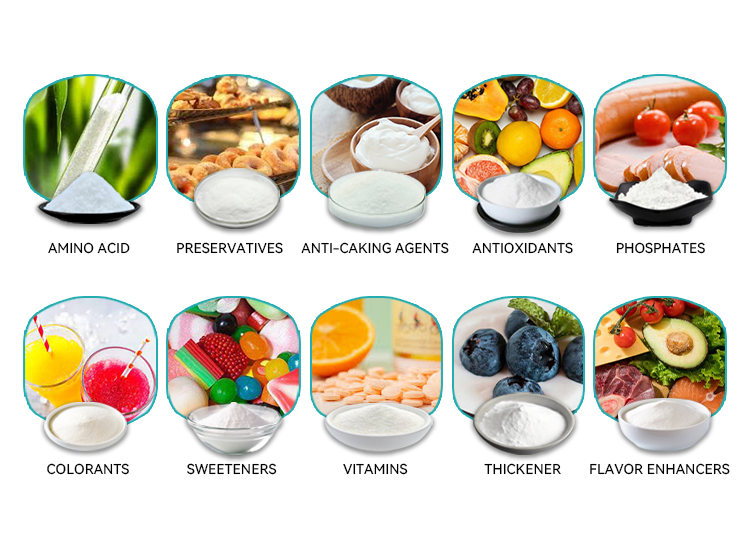
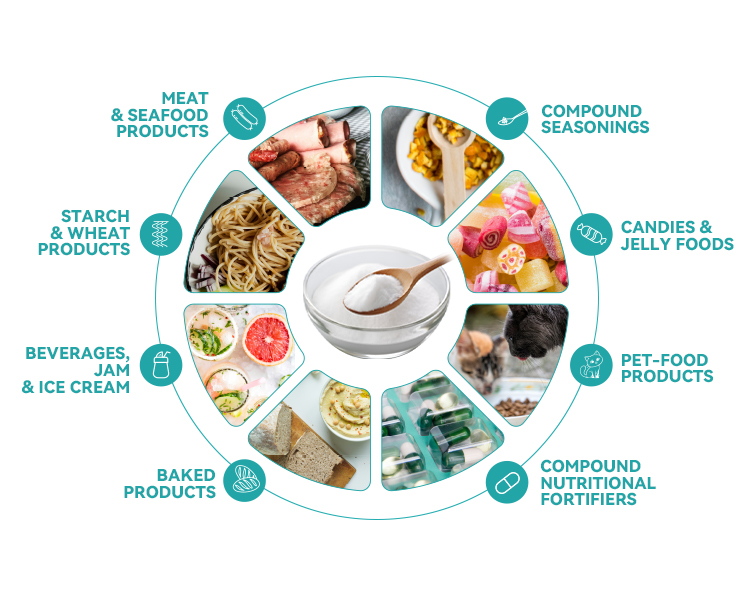
Application Gallery 1
Application Gallery 2

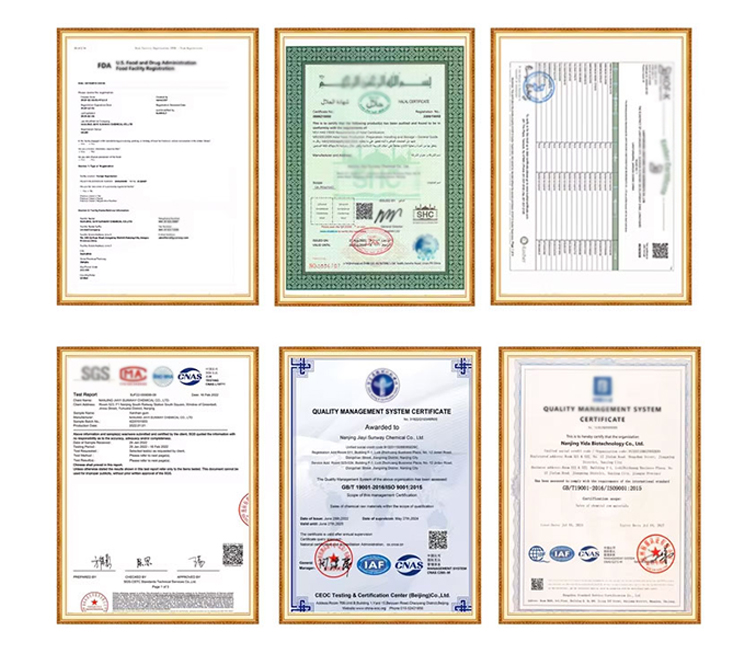
Certifications

Certification 1
Certification 2

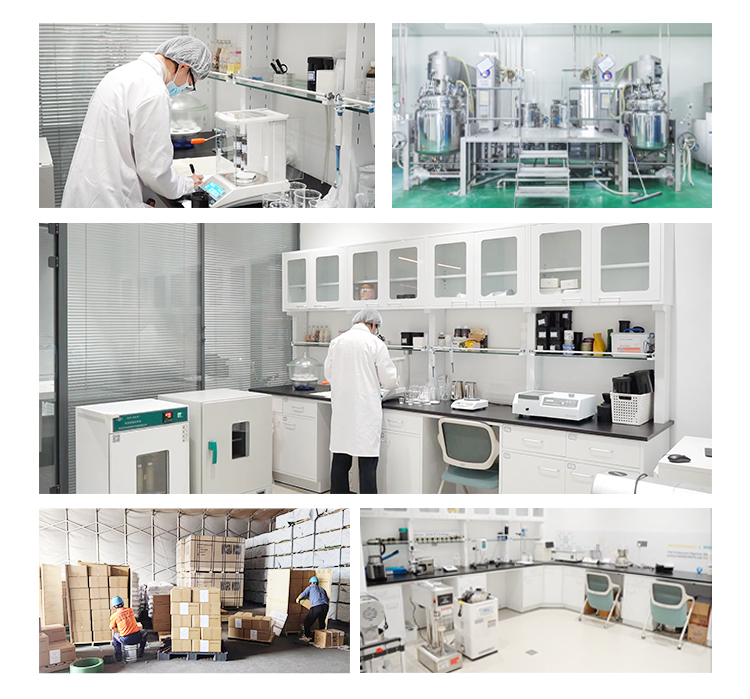
Manufacturing Technique

Manufacturing Technique 1
Manufacturing Technique 2

Recommend Products

Recommend Products Banner

Frequently Asked Questions (FAQ)

What are the physiological benefits of L-Threonine?
L-Threonine is a naturally occurring isomer with high physiological activity. It helps maintain protein balance, assists in the formation of collagen and elastin, supports liver health by combating fatty liver, and enhances the immune system through antibody production.
How does L-Threonine improve animal feed quality?
It serves as an essential limiting amino acid in livestock and poultry diets. Adding L-Threonine balances amino acids, improves meat quality (making it more tender and juicy), enhances feed digestibility, reduces feed costs, and lowers nitrogen excretion, promoting environmental protection.
What are L-Threonine's pharmaceutical applications?
L-Threonine is widely used in compound amino acid infusions. Its structure contains a hydroxyl group that helps hold skin moisture and protect cell membranes when combined with oligosaccharides. It is also used as a raw material for monobactams (effective, low-allergy antibiotics).
What are the specification standards of your L-Threonine?
Our product features a purity assay of 99.4%, a pH range of 5.68, less than 15 ppm of heavy metals, and a loss on drying of only 0.12%. It meets international nutritional standards for food and feed applications.
What is the shelf life and packaging options for the product?
Our L-Threonine has a shelf life of 48 months. The standard packaging size is 25kg/bag, and customized packaging solutions can be arranged to meet specific client demands.

Related Products