Engineered bioactive molecules, structural proteins, and specialized carriers representing the front line of nutritional innovation.
The global dietary supplement and functional food sectors are undergoing a significant paradigm shift. The outdated perspective of treating fats purely as dense caloric vehicles has been replaced by a rigorous, biochemically grounded model focused on functional lipids and structured fats. These specialized lipids—ranging from polyunsaturated fatty acids (PUFAs) like EPA and DHA, to rare monounsaturated derivatives like Omega-7 (Palmitoleic acid), and lipid-based cellular delivery platforms like liposomes—serve key roles in cellular communication, membrane stability, inflammatory modulation, and bioavailability improvement.
For brands and procurement specialists seeking the Top 10 Healthy Fats Manufacturers & Factories, assessing a supplier involves looking beyond basic extraction capacities. Today's market demands manufacturing capabilities that can optimize lipid stability, preserve double-bonds against oxidation, and deliver high bio-accessibility through advanced scientific formulations.
Procuring raw lipid materials for international distribution requires adherence to strict quality parameters, including:
How China's industrial infrastructure, biotechnological integration, and raw material access optimize global B2B procurement pipelines.
China hosts significant agricultural and biochemical corridors. From non-GMO soy reserves in the Northeast to wild seabuckthorn ecosystems in the high-altitude Northwest, manufacturers benefit from direct access to raw materials, reducing transport-induced oxidation risks.
Chinese factories lead in integrating industrial biotechnology with lipid purification. Technologies such as low-temperature molecular distillation, enzymatic transesterification, and precision fermentation enable high-purity lipids without harsh chemical solvents.
Export-oriented Chinese manufacturers maintain compliance with international regulatory bodies. Facilities are designed and audited to meet ISO 9001, ISO 22000, HACCP, Kosher, Halal, and US-FDA GMP requirements, ensuring seamless import customs processes globally.
Functional lipids are not one-size-fits-all ingredients. Their molecular structures govern how they behave across different delivery matrices:
One of the main challenges in functional lipid formulation is poor water solubility and low bioavailability. Leading manufacturers use advanced nanotechnology to address these issues:
Liposomal Encapsulation: By enclosing active molecules within a lipid bilayer, this technology protects them from enzymatic breakdown in the stomach. This structure mimics human cell membranes, allowing for direct cell assimilation.
Microencapsulation Shielding: Utilizing spray-drying and fluid-bed coating, liquid oils are converted into protective micro-capsules. This prevents exposure to light, oxygen, and trace metals, extending shelf life and masking unpleasant tastes or odors in functional beverages.
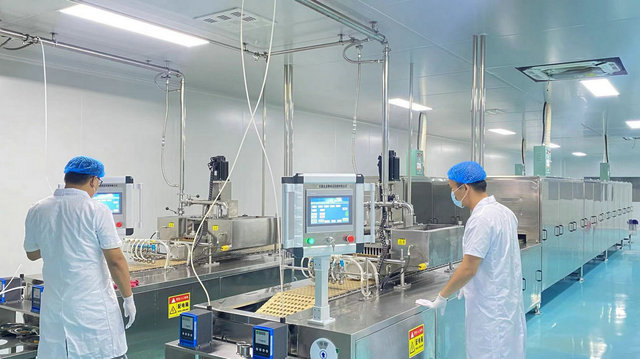
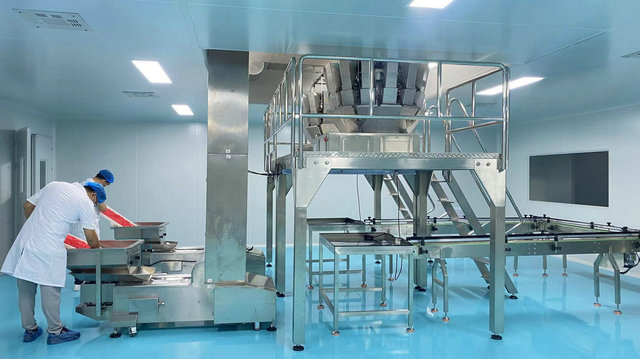
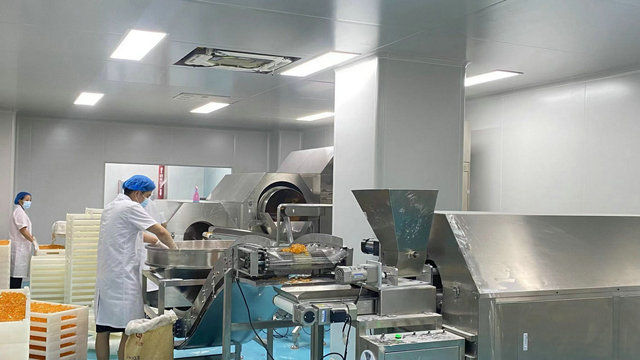
Hangzhou Soy Extracts Co., Ltd. is a leading China dietary supplement ingredients manufacturer specializing in the research, development, production, and supply of high-quality nutraceutical raw materials for health and wellness products. With a strong commitment to innovation, quality, and sustainability, the company provides comprehensive ingredient solutions to dietary supplement brands, manufacturers, and distributors worldwide.
Leveraging advanced production technologies and modern manufacturing facilities, Hangzhou Soy Extracts offers an extensive portfolio of dietary supplement ingredients, including botanical extracts, plant proteins, amino acids, vitamins, minerals, functional ingredients, and other nutraceutical raw materials. These ingredients are widely used in dietary supplements, functional foods, sports nutrition products, health beverages, immune support formulations, and wellness applications.
Innovation is at the core of the company's business philosophy. Supported by a highly experienced R&D team, Hangzhou Soy Extracts continuously explores new ingredient technologies and formulation solutions to meet the evolving needs of the global nutraceutical market. The company also provides customized ingredient development and OEM/ODM support, helping customers accelerate product innovation and strengthen market competitiveness.
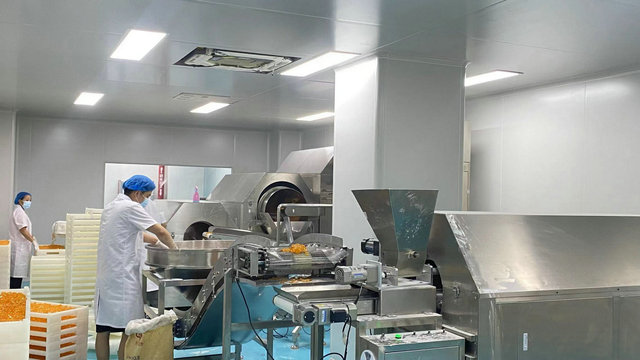
Quality assurance is integrated into every stage of production. From raw material sourcing and manufacturing to final inspection and packaging, strict quality control procedures are implemented to ensure product consistency, purity, safety, and compliance with international standards. The company is dedicated to delivering reliable and traceable ingredient solutions that meet the stringent requirements of global customers.
With customer satisfaction as its priority, competitive manufacturing capabilities, stable supply chains, and professional technical support, Hangzhou Soy Extracts Co., Ltd. has established long-term partnerships with clients across international markets. The company remains committed to providing premium nutraceutical ingredients that support healthier lifestyles and contribute to the sustainable development of the global health and wellness industry.
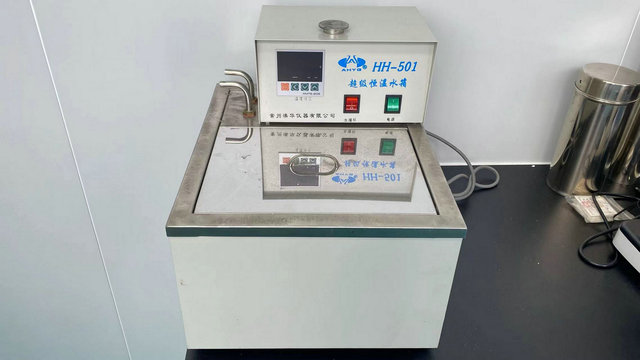
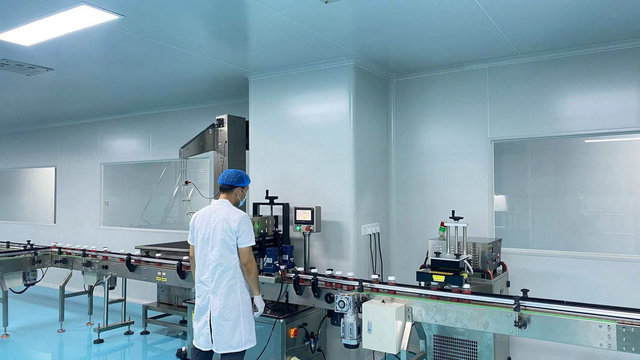
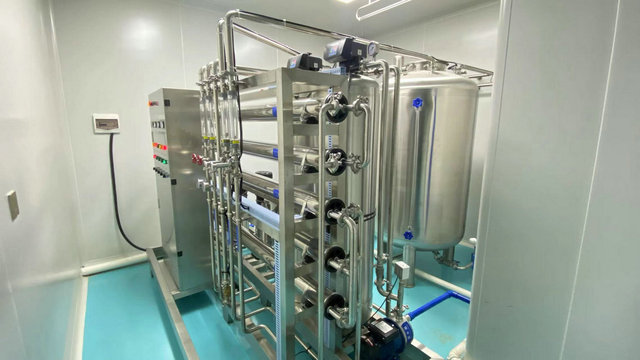
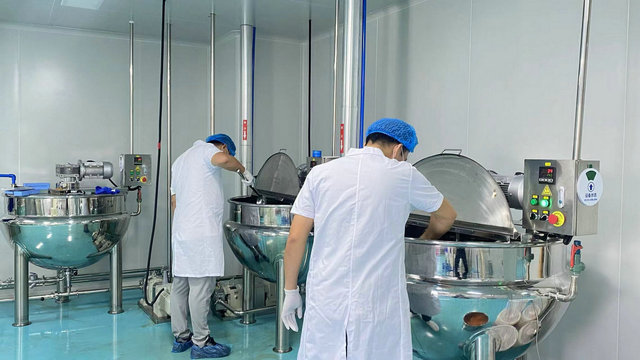
Hangzhou Soy Extracts Co., Ltd. works as a strategic manufacturing partner, offering:
Clear answers to technical and logistical questions for global buyers, formulation scientists, and supply chain managers.
Manufacturers use several methods to prevent oxidation: processing in nitrogen-blanketed environments, storing raw ingredients at controlled low temperatures, using natural antioxidants like mixed tocopherols or ascorbyl palmitate, and using microencapsulation technologies to protect the core lipid from exposure to oxygen.
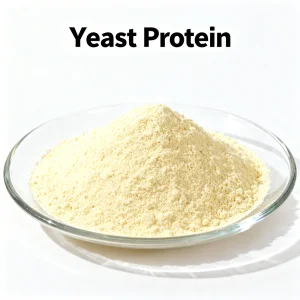
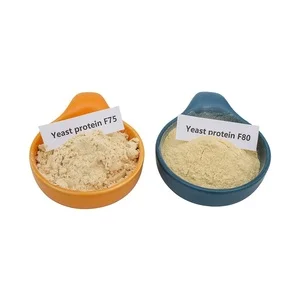
Yeast Protein Isolate (derived via fermentation) provides a high protein concentration (usually >80%) with a complete amino acid profile, low allergenicity, and a minimal flavor profile. It lacks the earthy off-notes of legume proteins, making it suitable for functional lipid-infused beverages where flavor profile is key.
Key certifications include NSF-GMP or equivalent third-party audit documents, ISO 22000 or FSSC 22000 for food safety management, HACCP controls, and specific raw material declarations confirming non-irradiation, allergen control, and non-GMO status. Regulatory files such as US-FDA Drug Master Files (DMF) or USDA Organic certifications are also important for premium lines.
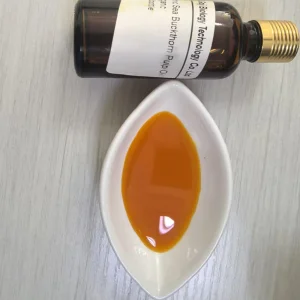
Supercritical CO2 extraction uses pressurized carbon dioxide at low temperatures to isolate functional lipids without using organic solvents like hexane. This process preserves heat-sensitive compounds (such as carotenoids and Omega-7 in Seabuckthorn oil) and leaves zero solvent residues, resulting in clean-label ingredients.
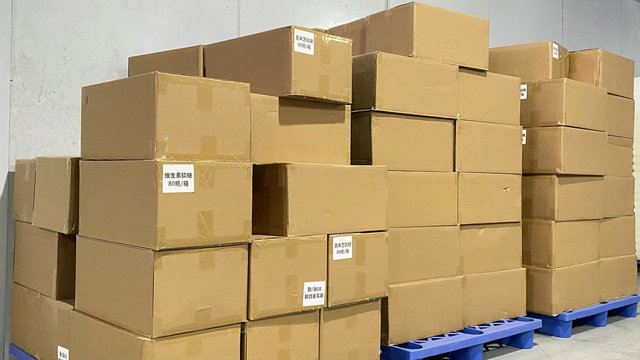
Standard MOQs typically range from 100 kg to 1,000 kg depending on the ingredient value and customization requirements. Standard lead times range between 15 and 30 days from formulation approval to shipping point, depending on the complexity of testing and certification processes.
Complete your supply chain requirements with these high-grade active ingredients, thickeners, and functional excipients.
 Soy Extracts
![[K-SECRET] Seoul 1988 Serum Retinal Liposome 2%+Black Ginseng A Skin Cell Turnover Booster For Global Elasticity 30ml](https://site.cdnfile.io/2d867e7624312ce0c5ad1eba0fc439e4300_300.webp)