Dietary supplements are popular among health-conscious individuals. However, ensuring their stability is crucial for safety and efficacy. Understanding what factors affect dietary supplement ingredient stability can significantly impact product quality. These factors include light exposure, temperature fluctuations, and humidity levels. Each of these elements can degrade the integrity of active ingredients.
For instance, UV light can break down certain vitamins, making them less effective. Additionally, high temperatures can accelerate chemical reactions, leading to potential side effects. Moisture is another variable that can promote the growth of mold or bacteria. Consumers should be aware that not all supplements are created equal in terms of stability.
Manufacturers often face challenges in maintaining stability throughout a supplement's shelf life. This inconsistency raises questions about how well these products actually perform. It highlights the necessity for rigorous testing and adherence to quality standards. Ultimately, understanding stability factors aids both manufacturers and consumers in making informed choices.
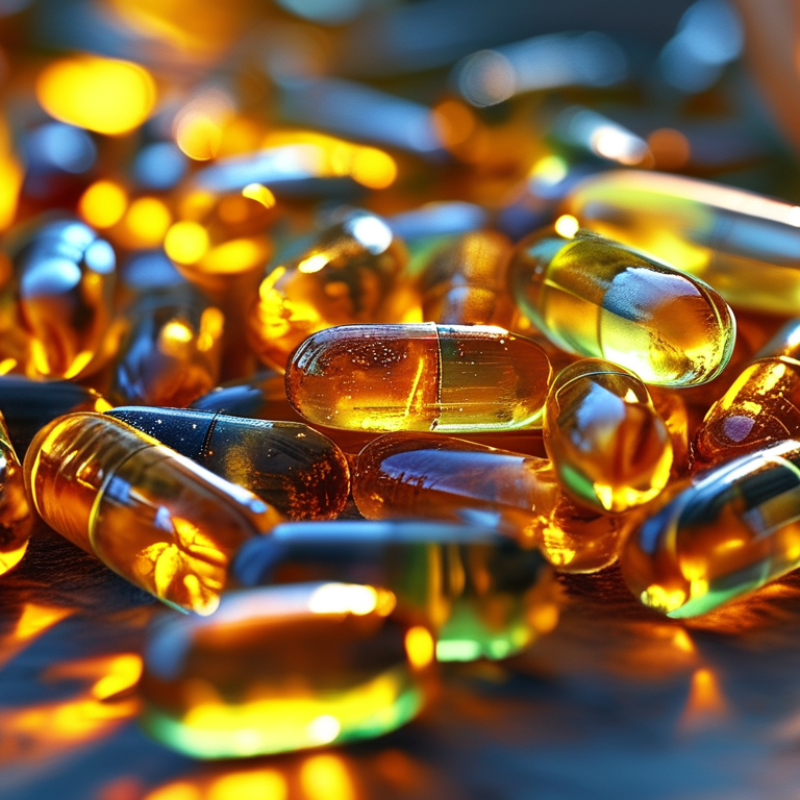
Temperature stability plays a crucial role in determining the effectiveness of dietary supplements. Many supplements are sensitive to temperature fluctuations. Extreme heat can degrade active ingredients, leading to reduced potency. For instance, probiotics can lose their effectiveness when exposed to high temperatures. Conversely, storage in excessively cold environments might lead to moisture condensation that can compromise their quality.
Tips for maintaining temperature stability include storing supplements in a cool, dry place. Avoid keeping them in bathrooms or near cooking appliances. These areas often experience temperature spikes. Use temperature monitoring devices to ensure the environment remains stable. It is also wise to check expiration dates regularly and discard any products that have changed color or odor, as these could signal degradation.
Being aware of how temperature affects dietary supplements is vital. Supplements often come with specific storage guidelines. Ignoring these can lead to wasted money and ineffective health benefits. Consistency in storage can make a noticeable difference in the longevity and efficacy of your supplements.
Humidity and moisture control play a critical role in dietary supplement preservation. High humidity can lead to the degradation of active ingredients. According to a report from the Journal of Pharmaceutical Sciences, approximately 25% of dietary supplements are compromised by inadequate moisture management. This degradation affects potency and shelf life, impacting consumer trust.
One effective tip for ensuring supplement stability is to store them in a dry, cool environment. Desiccants, like silica gel packets, can help absorb excess moisture. Many industry leaders recommend maintaining a relative humidity level below 60% in storage facilities. This simple step can significantly extend the potency of dietary supplements, protecting important nutrients from degradation.
Regular monitoring of humidity levels is essential. Implementing hygrometers provides valuable data on moisture conditions. Create a routine check-up to ensure that the humidity stays within the recommended range. Remember, even slight fluctuations can lead to potential loss of efficacy. Keeping a close eye on moisture can save costs related to product loss and reduce waste for manufacturers.
Light exposure significantly impacts the potency and shelf life of dietary supplements. Studies indicate that certain vitamins, such as A, C, and E, can degrade when exposed to ultraviolet (UV) light. For instance, vitamin C can lose up to 50% of its efficacy within just a week of continuous exposure to light. This degradation can affect consumer trust and product effectiveness.
In an analysis of various supplements, it was found that packaging plays a crucial role in maintaining stability. Opaque bottles or UV-filtering containers can protect sensitive ingredients from light. However, many products still use clear packaging, increasing the risk of potency loss. A report by the International Journal of Pharmaceutical Sciences suggests that using proper packaging can extend product shelf life by up to 50%.
Additionally, light exposure not only degrades nutrients but may also lead to harmful reactions, producing unwanted by-products. This concern underlines the need for consumers and manufacturers to critically consider storage conditions. Regular audits of product stability under different lighting conditions can help mitigate risks. By reflecting on these factors, the industry can improve quality control measures and customer safety.
Chemical composition plays a crucial role in the stability of dietary supplements. Various components, such as vitamins, minerals, and herbal extracts, differ significantly in their stability profiles. For instance, water-soluble vitamins like vitamin C often degrade faster than fat-soluble vitamins. An industry report found that up to 50% of vitamin C can lose its potency within six months under unfavorable conditions.
Moreover, the presence of fillers and binders can influence stability. Some excipients may react with active ingredients, leading to degradation or alteration of efficacy. The pH level and moisture content during storage are equally critical. According to a study published in the Journal of Nutritional Biochemistry, supplements stored in high-humidity environments showed a rapid decrease in effectiveness.
Packaging also affects chemical stability. Light-sensitive compounds require opaque containers to prevent photodegradation. However, not all supplements are packaged properly. A 2022 report indicated that 20% of products on the market failed basic stability tests. This raises questions about quality assurance in the industry. Manufacturers need to prioritize ingredient interactions and storage conditions to optimize supplement efficacy over time.
When it comes to dietary supplements, packaging plays a crucial role in ensuring product stability. Proper packaging methods can protect the ingredients from moisture, light, and oxygen exposure. These elements are known to compromise the integrity of supplements. Using high-quality materials can mitigate the risk of contamination and degradation during storage.
To enhance stability, consider using airtight containers. This prevents moisture from entering and preserves the efficacy of active ingredients. Dark-colored bottles can shield sensitive compounds from harmful UV rays. Incorporating desiccants in packaging also helps to absorb moisture, extending the product’s shelf life.
Tip: Always check the seal on your supplement bottles. A compromised seal can lead to exposure and spoilage. Store supplements in a cool, dry place to maintain their quality. Regularly assess expiration dates. Sometimes, manufacturers may suggest ideal storage conditions that could extend the supplement's potency.
: Humidity affects the stability and potency of active ingredients. High humidity can degrade supplements.
It's recommended to keep humidity below 60% to extend the potency of dietary supplements.
Using hygrometers can provide accurate data on moisture levels in storage areas. Regular check-ups are crucial.
Water-soluble vitamins, like vitamin C, can lose up to 50% potency within six months if conditions are unfavorable.
Yes, some fillers may react with active ingredients, altering efficacy or causing degradation.
Absolutely. Light-sensitive substances require proper opaque packaging to prevent degradation from light exposure.
Insufficient care can lead to product loss and degraded effectiveness, impacting both manufacturers and consumers.
A report found that around 20% of products did not meet basic stability tests, raising quality concerns in the industry.
Different components have varying stability profiles. Vitamins and herbal extracts can degrade at different rates.
Minor changes in humidity can lead to significant loss of supplement efficacy over time. Regular monitoring is essential.
Dietary supplement stability is crucial for ensuring product efficacy and safety, and several key factors significantly influence this stability. One primary consideration is temperature; fluctuations can lead to degradation of active ingredients over time. Additionally, humidity and moisture levels play a vital role in preservation, as excessive moisture can promote spoilage and reduce shelf life.
Light exposure is another critical factor that can impact supplement potency, often accelerating degradation through photochemical reactions. The chemical composition of the ingredients themselves also affects stability, with certain compounds being more susceptible to degradation than others. Lastly, appropriate packaging solutions are essential to protect supplements from environmental factors, thereby enhancing their stability. Understanding these factors is vital for manufacturers and consumers alike, as they answer the question: what factors affect dietary supplement ingredient stability?

Soy Extracts